
What Is a Pediatric Dental Exam and Why Does It Matter?
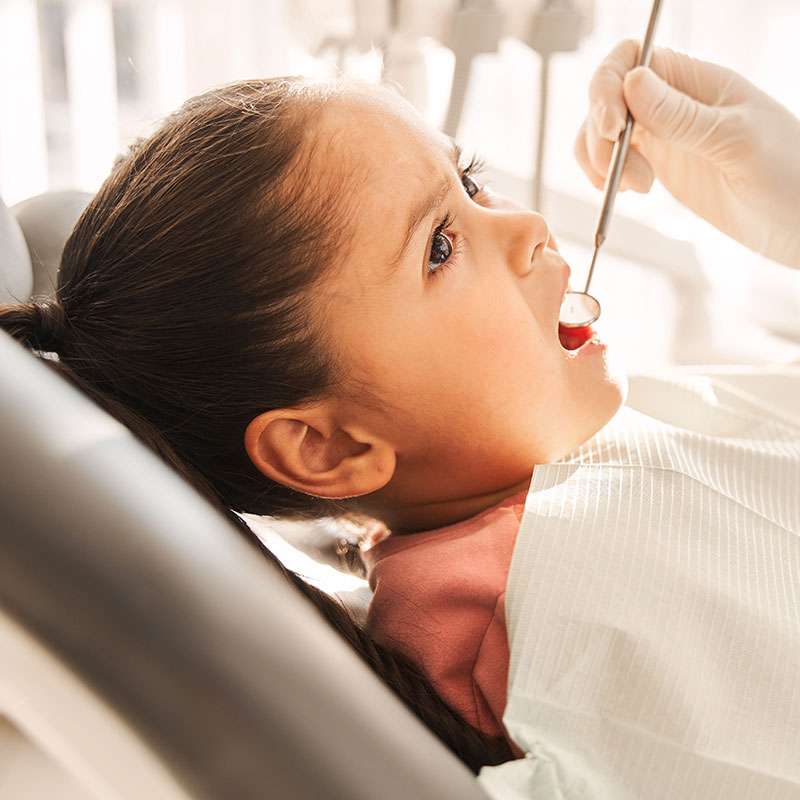
A pediatric dental exam is a specialized oral health evaluation designed for children from infancy through adolescence. These exams include visual inspection of the teeth and gums, professional cleaning, fluoride treatment, and a thorough assessment of oral development.
For families searching for the right care, these exams go well beyond simply counting teeth. Board-certified pediatric dentists complete two to three years of specialty training beyond dental school, giving them unique expertise in child development, behavior management, and the specific dental needs of growing mouths. At Canton Kid’s Dentistry, our pediatric dentists bring this specialized training to every patient interaction. The American Dental Association and American Academy of Pediatric Dentistry recommend scheduling a child’s first dental visit by age one or within six months of when that first tooth appears.
Early exams catch problems before they become serious. That alone makes them worth the effort. Small cavities can be treated before they cause discomfort. Alignment issues can be monitored before they require extensive orthodontic work. Oral habits like thumb-sucking can be addressed before they affect jaw development. Parents often ask when to bring their child in for the first time, and the answer is almost always “sooner than you think.”
How Pediatric Dental Exams Work: A Stage-by-Stage Breakdown
At Canton Kid’s Dentistry, pediatric dental exams follow a developmental progression, starting with gentle infant lap exams and building toward full evaluations for school-age children. Each stage focuses on age-appropriate assessments, preventive care, and parent education. Here’s what to expect as your little one grows.
What Happens During an Infant Exam (6–12 Months)?
Infant exams are brief, gentle evaluations focused on gum health and parent education. The dentist performs what’s called a “lap exam,” where the infant sits on a parent’s lap while facing the dentist. During this visit, the dentist will:
- Examine the gums for healthy tissue and early signs of tooth eruption
- Assess any teeth that have already come through and look for developmental concerns
- Screen for signs of early childhood decay
Parents also receive guidance on proper techniques for cleaning gums and new teeth, along with feeding practices that support oral health. Most lap exams wrap up in just a few minutes.
What Should You Expect During the Toddler Stage (1–3 Years)?
As more teeth emerge, exams become slightly more involved. Toddlers are still getting used to the dental environment, so the focus stays on comfort and trust-building. Visits typically include:
- Counting and inspecting all visible teeth
- Screening for cavities or soft spots in the enamel
- Applying fluoride varnish to strengthen developing teeth
- Discussing habits like thumb-sucking, pacifier use, or bottle feeding
- Introducing the dental chair and equipment in a positive, low-pressure way
How Does the Exam Change in Early Childhood (4–6 Years)?
By this age, most children have the majority of their primary teeth. Exams now include a full professional cleaning to remove plaque and tartar buildup, along with first dental radiographs to check for cavities between teeth and monitor permanent teeth developing beneath the gums.
The dentist will also evaluate the bite to assess how upper and lower teeth come together, make recommendations for dental sealants on molars, and talk with parents about losing primary teeth and what to expect next. This stage is where children really start to build independence in the dental chair.
What Does a School-Age Dental Exam (7–12 Years) Include?
School-age exams focus on long-term oral health as permanent teeth come in. The scope broadens at this stage:
- Thorough cleaning with more detailed attention to technique coaching
- Orthodontic screening to evaluate jaw growth and tooth spacing
- Cavity risk assessment based on diet, hygiene habits, and tooth anatomy
- Reinforcement of proper brushing and flossing techniques
- Sports mouthguard recommendations if the child plays contact sports
- Discussion of any emerging concerns related to wisdom teeth or crowding
Key Benefits of Regular Pediatric Dental Exams
Consistent dental exams do more than keep teeth clean. Here are the key reasons regular pediatric dental visits matter for your child’s long-term oral health.
How Does Early Detection Prevent Bigger Problems?
Early cavity detection means small problems get fixed before they cause discomfort or require more involved treatment. A tiny spot of decay caught early might need only a simple tooth-colored filling rather than a pulpotomy or extraction down the road.
Tracking jaw development and tooth alignment over time lets the dentist spot orthodontic issues early. That matters. Catching these patterns can sometimes reduce the complexity of future treatment. A documented dental history also gives the care team insight into cavity development, growth changes, and treatment responses, all of which help guide future recommendations.
Why Do Regular Visits Reduce Dental Anxiety?
Children who visit the dentist regularly in a welcoming environment form positive dental associations early on. They become familiar with the sounds, the equipment, and the routine. That familiarity pays off. These children are far less likely to develop dental anxiety as teenagers and adults.
Professional fluoride treatments happen at nearly every visit and provide stronger protection than toothpaste alone. Think of fluoride as a “glue” for the tiny molecules that make up tooth enamel, keeping them more tightly bound together and less prone to breaking apart. When these treatments become part of a regular routine, they feel normal rather than unfamiliar or stressful. Building that comfort early sets children up for a lifetime of positive dental experiences.
Pediatric Dentist vs. General Dentist for Children’s Exams
While general dentists can certainly see children, there are real differences in training and environment that may affect your child’s experience.
| Factor | Pediatric Dentist | General Dentist |
|---|---|---|
| Training | 2-3 years additional residency focused on children | General dental education with some pediatric exposure |
| Equipment | Child-sized instruments and chairs designed for smaller mouths | Standard adult-sized equipment |
| Environment | Child-friendly décor, ceiling TVs, toys, and themed rooms | Traditional office setting |
| Behavior Management | Specialized training in child psychology and developmental stages | Limited formal training in pediatric behavior guidance |
| Sedation Options | Dosing and protocols calibrated specifically for children’s weight and age | May offer adult-focused options adapted for younger patients |
| Special Needs Experience | Extensive training with children who have sensory, developmental, or medical needs | Varies widely by practice |
The differences in sedation deserve a closer look. Pediatric dentists train specifically in nitrous oxide administration, oral conscious sedation, and other techniques sized for children. They understand how a 30-pound toddler responds differently than a 90-pound preteen, and they adjust accordingly.
Board-certified pediatric dentists have completed rigorous specialty training and examinations that prepare them to work with children of all ages and temperaments. At Canton Kid’s Dentistry, our board-certified pediatric dentists understand that a three-year-old and a twelve-year-old need completely different approaches. Professional membership in the AAPD and state dental societies demonstrates ongoing commitment to pediatric-specific education. That level of specialization shows up in every interaction, from the way the team greets a nervous toddler to how they explain treatment options to a curious preteen.
What Do Pediatric Dental Exams Cost? Factors That Affect Pricing
Pediatric dental exams typically cost between $50 and $200 without insurance coverage. Most dental insurance plans cover two preventive exams per year at no out-of-pocket cost, recognizing that prevention saves money in the long run.
Several factors influence what you might pay:
- Insurance coverage: Many plans cover exams, cleanings, and fluoride at no out-of-pocket cost
- Additional services: Radiographs, sealants, or extra fluoride treatments add to the base exam fee
- Age and complexity: Infant lap exams may cost less than school-age evaluations
- Geographic location: Pricing varies by region and practice
Your child’s dental practice can verify insurance benefits before the visit so you know exactly what to expect. Preventing cavities with regular exams and cleanings saves money compared to treating decay after it develops. Canton Kid’s Dentistry also offers payment plans and financing options to make preventive care accessible for families at every stage.
When Should Your Child Start Dental Exams? Age and Readiness Guide
The simple answer: earlier than most parents think. Here are the key age milestones to keep in mind:
- By age 1 (or within 6 months of the first tooth): Schedule the first dental exam
- Every 6 months after that: Maintain regular preventive visits
- Sooner if symptoms appear: Don’t wait for the next scheduled visit if you notice changes
Signs your child may need an exam sooner:
- Visible white or brown spots on teeth
- Complaints of tooth sensitivity
- Difficulty chewing or eating
- Red, swollen, or bleeding gums
- Persistent bad breath
Children who may need more frequent visits:
- Those with a history of cavities
- Children with special healthcare needs or medical conditions
- Children taking medications that affect oral health
- Those with developmental delays affecting oral hygiene
No child is too young for a dental exam. Infant lap exams take just a few minutes and focus on education and early detection rather than extensive treatment. These early visits help children become comfortable with the dental environment before any treatment is ever needed. Canton Kid’s Dentistry welcomes young patients at every stage, and our team is always happy to answer questions about timing and readiness.
Frequently Asked Questions About Pediatric Dental Exams
How Do I Prepare My Child for Their First Dental Exam?
Start by keeping your own attitude positive and relaxed. Children pick up on parental anxiety quickly. Read age-appropriate books about visiting the dentist and practice “opening wide” at home. Avoid using words that might create fear, and let your child know the dentist is a friendly helper who keeps their smile healthy. Many pediatric dental practices offer office tours so children can explore the space before their first visit. That small step can make a big difference.
How Long Does a Pediatric Dental Exam Take?
A typical pediatric dental exam lasts 30 to 45 minutes, including time for the cleaning, any necessary radiographs, the dentist’s examination, and a conversation with parents about findings and recommendations. First visits may take slightly longer as the team gets to know your child and reviews their health history.
What If My Child Is Afraid or Won’t Cooperate?
Totally normal, especially for young children or those who have had negative experiences. Pediatric dentists are trained in behavior guidance techniques that help children feel safe and comfortable. For children who need additional support, sedation options like nitrous oxide can help them relax. The goal is always to create a positive dental experience that builds trust over time. No one expects a two-year-old to sit perfectly still.
Are Dental Radiographs Safe for Children?
Yes. Modern digital radiographs use minimal radiation, and pediatric dentists only take them when clinically necessary. The images reveal cavities between teeth, monitor permanent teeth developing beneath the gums, and check for other concerns that aren’t visible during a visual exam. Lead aprons provide additional protection. The information these images provide is well worth the very small amount of radiation involved, and skipping them can mean missing problems that grow worse over time.
How Often Should My Child Have a Dental Exam?
The American Dental Association recommends dental exams every six months for most children. Some children with higher cavity risk, special healthcare needs, or ongoing dental concerns may benefit from more frequent visits. Your child’s dentist will recommend a schedule based on their individual needs and overall oral health history.
If you’re searching for your child’s dental home, we’d love to welcome your family. We believe a beautiful and healthy smile can brighten your life, and building that foundation starts with regular pediatric dental exams from the very first tooth. Talk to a pediatric dentist about what your child needs at their current stage, and take that first step toward lifetimes of healthy smiles.