Making Dental Visits Stress-Free
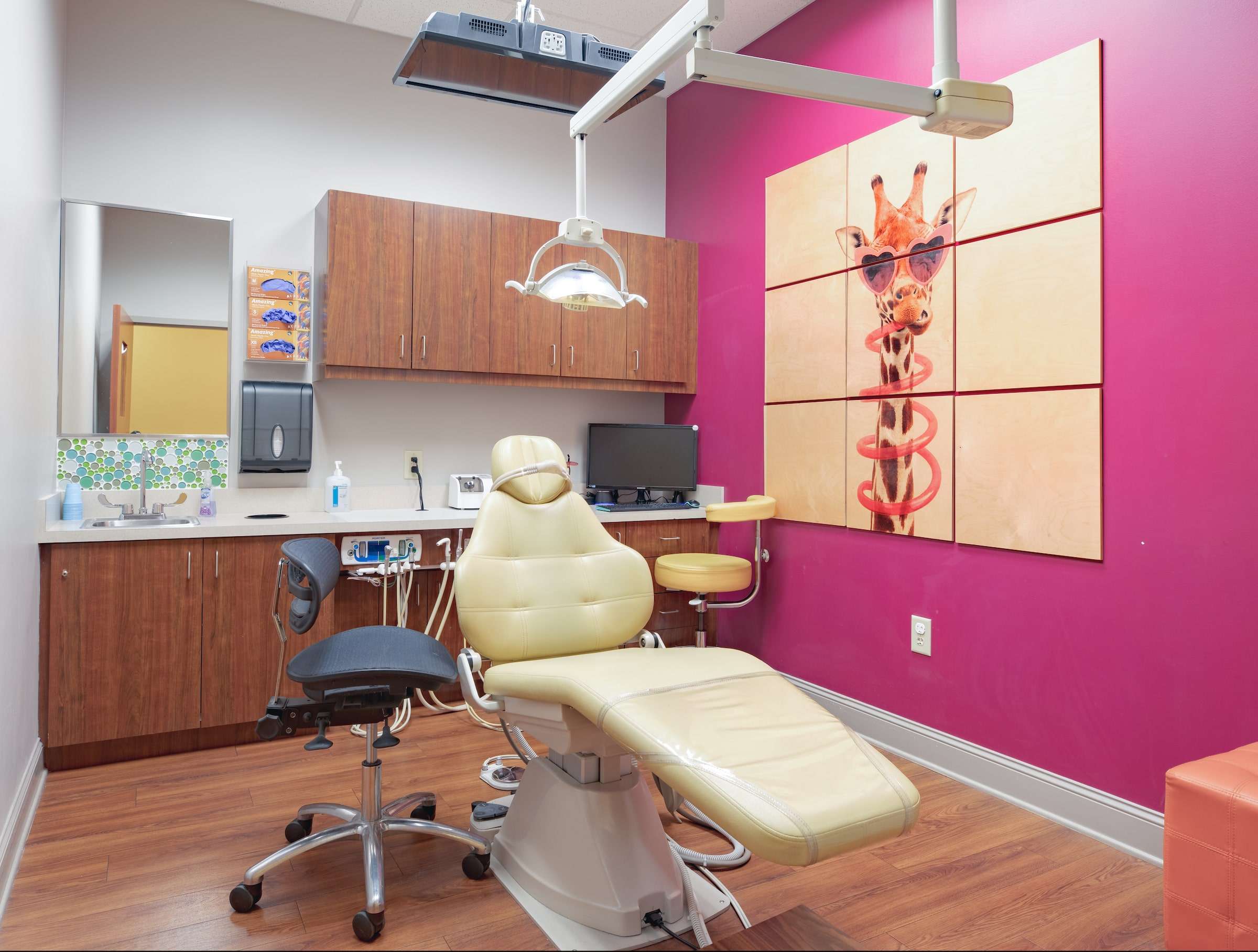
If your child grips the armrest the moment they sit in the dental chair, you’re not alone. The unfamiliar sounds, bright lights, or simply the newness of the experience can trigger real anxiety. For families in Canton, GA, sedation dentistry options designed specifically for children help young patients feel calm and comfortable throughout their treatment, so every visit can be a positive one.
What Is Sedation Dentistry for Kids?
Pediatric sedation dentistry is the use of safe, carefully controlled medications to help children relax during dental treatment. Unlike general anesthesia, where young patients are completely unconscious, most sedation methods keep children awake and responsive. They simply feel calm, drowsy, and at ease. It’s not about “putting a child to sleep.” It’s about creating a peaceful visit where treatment can happen smoothly.
At Canton Kid’s Dentistry, the sedation type is selected based on each child’s specific needs, and every young patient receives individualized attention from the dental team. For children with dental anxiety, this approach can be a huge relief. It makes a real difference. Young patients who need lengthy procedures or those with special healthcare needs also benefit tremendously from sedation options.
Many children don’t remember much about the appointment afterward. That’s actually a good thing. It helps build positive associations with dental care over time, helping create lifetimes of healthy smiles.
How Does Sedation Dentistry Work for Kids in Canton, GA?
Understanding how sedation works can ease any concerns you might have as a parent. Pediatric dental practices primarily use two sedation methods: nitrous oxide and oral conscious sedation.
What Is Nitrous Oxide Sedation?
Nitrous oxide is inhaled through a small mask that fits comfortably over a child’s nose. It takes effect within two to three minutes. Children typically feel light, relaxed, and sometimes a bit giggly. One of the best things about nitrous oxide is how quickly it wears off. Once the mask is removed, the effects disappear within minutes, and children can return to normal activities right away with no lingering drowsiness.
How Does Oral Conscious Sedation Work?
For children who need deeper relaxation, oral conscious sedation involves a liquid medication given before the visit. About 20 to 30 minutes later, the medication reaches full effect. Children will feel very drowsy and relaxed but can still respond to simple instructions. This option works well for more extensive treatments or for young patients with significant dental anxiety.
What Should You Expect During the Visit?
Before any sedation, the board-certified pediatric dental team at Canton Kid’s Dentistry conducts a full health screening. Your child’s medical history, current medications, and any allergies are all reviewed carefully. During the procedure, vital signs and oxygen levels are continuously monitored, and safety protocols are followed at every step.
After treatment with nitrous oxide, no recovery period is needed. With oral sedation, children may feel sleepy for several hours and should rest at home for the remainder of the day. Parents receive detailed aftercare instructions before leaving the practice.
Benefits of Sedation Dentistry for Kids
Sedation dentistry offers real, measurable benefits for children and their families. Research from the American Academy of Pediatric Dentistry suggests that roughly 20% of children experience some level of dental anxiety. For those kids, sedation can make the difference between avoiding care and getting the treatment they need.
How Does Sedation Help with Dental Anxiety?
- Sedation reduces anxiety and fear so children who dread dental visits can have calm, positive ones instead. Over time, this reshapes how they feel about dental care altogether.
- Stress-free experiences now help children feel comfortable with dental care for life. When a child’s early memories of the dentist are peaceful, they’re more likely to keep up with regular dental exams as they grow.
Can Sedation Make Treatment More Efficient?
- When a child is relaxed, the dental team can often complete multiple procedures in one session, which means fewer trips to the practice and less time away from school.
- Sedation also helps reduce a child’s awareness of sensations during treatment, making the whole time in the chair easier to get through.
- Young patients with sensory sensitivities or difficulty sitting still can receive the care they need comfortably. This is especially important for families who have struggled to find a practice that can accommodate their child.
According to the American Academy of Pediatric Dentistry’s guidelines on behavior guidance, sedation is a valuable tool for managing behavior and anxiety in young dental patients when used appropriately by trained professionals.
Nitrous Oxide vs. Oral Conscious Sedation: Which Is Right for Your Child?
Nitrous oxide offers mild, fast-acting sedation ideal for routine visits, while oral conscious sedation provides moderate relaxation for more extensive procedures. Here’s a side-by-side comparison:
| Factor | Nitrous Oxide | Oral Conscious Sedation |
|---|---|---|
| Onset Time | 2-3 minutes | 20-30 minutes |
| Sedation Level | Mild to minimal | Moderate |
| Recovery Time | Immediate | Several hours of drowsiness |
| Best For | Mild anxiety, shorter procedures | Severe anxiety, extensive treatment |
| Eating Before | Light meal okay | Fasting usually required |
Nitrous oxide is ideal for children who feel a little nervous but can generally cooperate during treatment. It works well for routine procedures like dental exams, cleanings, or simple tooth-colored fillings. Oral conscious sedation, on the other hand, is better suited for children with intense dental fear, those undergoing longer or more complex treatments, or very young children who may have difficulty staying still.
The Canton Kid’s Dentistry team will discuss both options with you and recommend the approach that best fits your child’s situation. Every child is different, and the right choice depends on the full picture of their health, temperament, and treatment needs.
What Does Pediatric Sedation Dentistry Cost?
Nitrous oxide sedation typically costs less than oral conscious sedation because it requires less preparation and monitoring time. Several factors influence the final cost:
- Procedure length and complexity, since longer treatments require more sedation time and closer monitoring
- Your child’s age and weight, which determine medication dosing
- Insurance coverage, as many plans cover sedation when it’s considered medically necessary for children with documented dental anxiety, special healthcare needs, or those requiring extensive treatment
- Payment plan availability, which can help families manage out-of-pocket expenses
Contacting Canton Kid’s Dentistry in Canton, GA for a personalized estimate is always a good first step. Our team can also help verify insurance benefits and explain any costs before your child’s visit.
Is Your Child a Good Candidate for Sedation Dentistry in Canton, GA?
Not every child needs sedation, but many benefit from it. Here are some signs that sedation might be a good fit:
- Does your child have moderate to severe dental anxiety? If fear makes it difficult to complete even routine dental exams, sedation can help them get through the visit calmly.
- Multiple procedures that would otherwise require many separate visits can often be handled in a single session with sedation support.
- Special healthcare needs sometimes affect a child’s ability to cooperate or stay comfortable during treatment. Sedation provides a way to deliver care gently and effectively.
- Children with sensory processing challenges, including sensitivity to sounds, lights, or touch, often find dental environments overwhelming. Sedation takes the edge off those triggers.
- Very young children like toddlers and preschoolers who aren’t developmentally ready to sit still for treatment often do much better with sedation.
Before recommending sedation, the board-certified pediatric dentists at Canton Kid’s Dentistry conduct a full health screening. They review the child’s medical history, discuss parental concerns, and determine which sedation option, if any, is appropriate. Safety is built into every step of the process, from the initial evaluation through post-treatment monitoring. Specific protocols include continuous pulse oximetry, blood pressure checks, and having emergency equipment immediately accessible throughout the procedure.
Frequently Asked Questions About Sedation Dentistry for Kids
Is sedation dentistry safe for toddlers and young children?
When administered by trained pediatric dental professionals, sedation dentistry is safe for young children. Pediatric dentists complete specialized training in sedation techniques, and strict safety protocols, including continuous vital sign monitoring, are followed throughout every procedure. A pre-sedation screening helps the dental team determine the safest approach for your toddler.
Will my child be asleep during sedation dentistry?
Not with nitrous oxide or oral conscious sedation. These methods keep children relaxed and drowsy while still able to respond to simple requests. This is different from general anesthesia, where young patients are completely unconscious. Most children have little memory of the procedure afterward, which is one reason sedation works so well for anxious young patients.
How should I prepare my child for a sedation dentistry visit?
For nitrous oxide, a light meal beforehand is fine. For oral conscious sedation, fasting is typically required for several hours before the appointment. The dental team will provide specific instructions when you schedule. Keep things upbeat when you talk about the visit. Skip words that might increase worry, and focus on how the team will help them feel cozy and relaxed.
Are there any side effects of nitrous oxide or oral sedation in children?
Nitrous oxide rarely causes side effects, though children may feel slightly nauseous if they’ve eaten too much beforehand. Effects disappear within minutes of removing the mask. Oral sedation may cause drowsiness, mild nausea, or irritability for several hours after treatment. These effects resolve on their own with rest, and most children bounce back to their usual selves by the next morning.
How do I know which sedation option is best for my child?
The best option depends on your child’s anxiety level, the complexity of the procedure, and their overall health. It really depends on your child. During a consultation, the Canton Kid’s Dentistry team will discuss your child’s specific needs and recommend the most appropriate approach. Some children do beautifully with just nitrous oxide, while others need the deeper relaxation that oral conscious sedation provides. The goal is always gentle care for every smile, keeping your child comfortable and safe throughout the entire visit.