
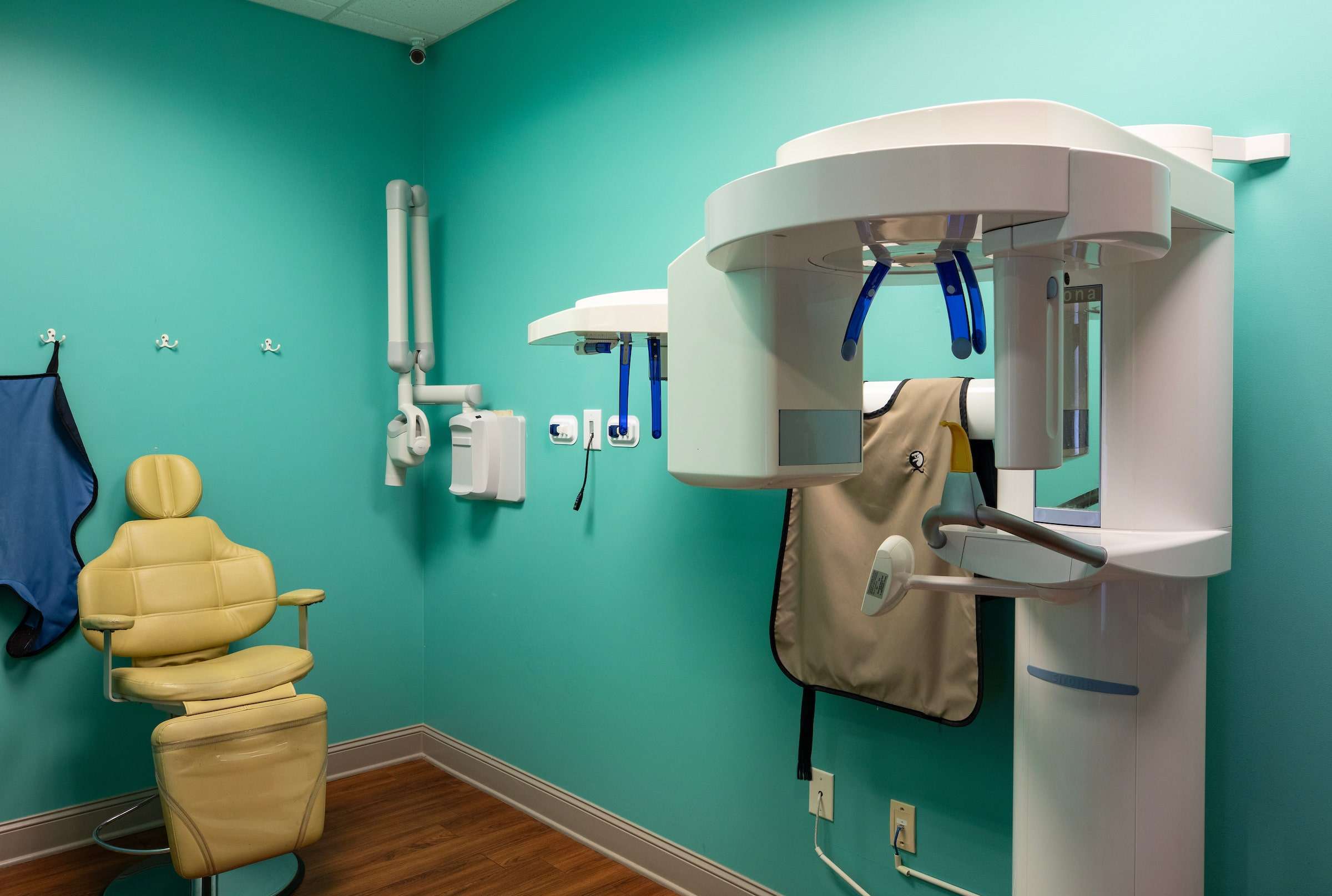
Some children need extra care and patience at the dentist. A child with sensory sensitivities, developmental differences, or physical challenges may struggle in a traditional dental setting, and that doesn’t mean they should go without care. A special needs pediatric dentist is trained to work with these children, using adaptive techniques, sensory-friendly environments, and individualized treatment plans to make dental experiences feel safe. Every child deserves gentle care for every smile, and that includes creating positive dental experiences for young patients of all abilities. We believe that we treat each child that comes to Canton Kid’s Dentistry like family, whether they need standard preventive care or a fully adapted approach built around their unique needs.
What Is a Special Needs Pediatric Dentist?
A special needs pediatric dentist has advanced training in caring for children with physical, developmental, sensory, or cognitive conditions that make standard dental experiences difficult. These providers use adaptive behavior guidance, trauma-informed care, and modified treatment techniques to deliver safe, effective oral healthcare.
Children with autism, Down syndrome, or cerebral palsy often benefit from this type of care. The same goes for children with sensory processing challenges or other developmental conditions. According to the American Academy of Pediatric Dentistry, children with special healthcare needs face increased risk for oral health problems and significant barriers to receiving routine treatment.
So how is this different from regular pediatric dentistry? Mostly, it’s about flexibility. Board-certified pediatric dentists who focus on special needs care complete additional education in behavior guidance, trauma-informed approaches, and medical management for complex health conditions. They understand that a child who becomes overwhelmed by bright lights or unfamiliar sounds needs a completely different approach than a child who sits calmly in the dental chair. That distinction matters.
Specialized equipment and adaptive techniques allow these providers to deliver thorough dental care while respecting each child’s unique needs. Treatment plans are individualized rather than one-size-fits-all. A child with sensory sensitivities might need shorter experiences with frequent breaks. A child with limited motor control might benefit from positioning supports during treatment. The goal is straightforward: help every child receive the oral healthcare they need in a way that feels safe and manageable.
How Special Needs Dental Experiences Work: From First Visit to Ongoing Care
Understanding what happens during a special needs dental experience can help ease concerns for both parents and children. Here’s how a specialized pediatric dental team in Canton, GA approaches these experiences:
Desensitization Visits
Desensitization visits are gradual introductions to the dental environment designed to reduce anxiety before any treatment begins. We’ve seen children go from clinging to a parent’s leg to happily climbing into the chair on their own. It starts with these low-pressure experiences. During a desensitization visit, your child can:
- Tour the practice at their own pace
- Meet team members without any pressure
- Sit in the dental chair, no procedures involved
- Get hands-on with dental tools to explore them
- Watch ceiling-mounted TVs and become familiar with the space
These gradual introductions help children build comfort over time. No rush. Just familiarity.
Behavior Guidance Techniques
Board-certified pediatric dentists use evidence-based behavior guidance methods that help children feel cooperative rather than controlled. This includes:
- Tell-show-do explanations before each step
- Positive reinforcement and praise
- Distraction techniques and clear, simple communication
- Allowing children to signal when they need a break
Sensory Accommodations
The dental environment can be overwhelming for children with sensory processing challenges. Accommodations include dimmed lighting, noise-reducing headphones, weighted blankets, or scheduling during quieter times of day. Small adjustments like these can make a big difference.
Sedation Options
For children who need extra calming support, nitrous oxide provides a safe, gentle option. The effects wear off quickly, allowing your child to return to normal activities shortly after. The dental team discusses all sedation options with parents to determine the best approach for each child’s situation.
Individualized Treatment Plans
Every treatment plan reflects the individual child. Some children do well with standard experience lengths. Others need shorter, more frequent experiences. The approach adjusts based on what works for your child, and that plan gets revisited as they grow and change.
Benefits of Choosing a Special Needs Pediatric Dentist
Selecting a dentist who specializes in special needs care offers real advantages for your family. Here’s what that looks like in practice.
A Sensory-Friendly Environment
The practice is designed with sensory sensitivities in mind, from lighting to sound levels to the pace of each experience. For children who are easily overwhelmed, this kind of environment can be the difference between a successful experience and a stressful one. Every detail considers your child’s comfort first.
Reduced Dental Anxiety
Gradual exposure and positive experiences help children associate the dental chair with safety rather than fear. Over time, many children who initially struggled become comfortable with routine care. That shift has a ripple effect on their willingness to maintain good oral health habits at home, too. Parents often notice the change within just a few experiences.
Gentle Treatment Approaches and Medical Expertise
Specialized providers use approaches that minimize discomfort and avoid common fear triggers, helping children tolerate necessary treatment without traumatic experiences. Children with special needs also often have complex medical histories. A pediatric dentist with specialty training understands how medications, medical conditions, and developmental factors affect oral health and treatment decisions. Fewer surprises, better coordination with your child’s other healthcare providers.
Building Long-Term Trust
A relationship with a consistent dental team helps children develop habits that carry into their teen years and beyond. When your child trusts their dental home, preventive care becomes easier and more effective. That trust doesn’t happen overnight, but it’s worth building. Lifetimes of healthy smiles start with a foundation of comfort and consistency during childhood.
Special Needs Pediatric Dentist vs. General Dentist: What’s the Difference?
Parents sometimes wonder whether their child truly needs a specialist or if a general dentist will be enough. Here’s how these options compare:
| Factor | General Dentist | Special Needs Pediatric Dentist |
|---|---|---|
| Training | General dental education covering all age groups | Additional years of pediatric residency plus special needs training |
| Environment | Standard setup designed for adult and child patients alike | Sensory-friendly accommodations built into the practice |
| Behavior Management | Basic techniques | Advanced adaptive approaches tailored to each child |
| Sedation Expertise | Limited options, if any | Trained specifically in pediatric sedation |
| Visit Flexibility | Standard scheduling and pacing | Flexible timing, shorter or longer as needed |
| Medical Coordination | May require outside referrals for complex cases | Understands developmental and medical complexities firsthand |
Worth noting: a general dentist may be a caring provider, but they often lack the specific training needed to adapt their approach for children with special needs. Children who have had difficult experiences at general practices often do much better with a specialty-trained provider who understands their challenges from the start.
Cost Factors for Special Needs Pediatric Dental Care
The cost of special needs pediatric dental care depends on sedation type, treatment complexity, number of experiences required, and insurance coverage. Because each child’s needs are different, there is no single price point. Key cost considerations include:
- Type of sedation used (if any)
- Complexity of treatment needed
- Number of experiences required
- Whether desensitization visits are included
Many dental insurance plans cover pediatric dental care, including care for children with special needs. Medicaid often provides coverage as well. Desensitization visits may be billed differently than standard dental exams, so it’s worth asking about coverage specifics. Catching a small cavity early, for example, costs far less than treating an infection that’s had time to spread.
Is Your Child a Candidate for Special Needs Dental Care?
Children with autism, ADHD, Down syndrome, cerebral palsy, sensory processing disorders, or extreme dental anxiety are strong candidates for special needs pediatric dental care. If your child has struggled with traditional dental experiences, a specialized approach may be the right fit. Your child may benefit from this type of care if they have:
- Autism spectrum disorder that makes sensory experiences overwhelming
- ADHD that makes sitting still for extended periods challenging
- Down syndrome or other developmental conditions
- Cerebral palsy or physical conditions affecting positioning
- Sensory processing disorders that cause distress in unfamiliar environments
- Extreme dental anxiety despite previous attempts at traditional dental care
- Medical conditions requiring coordination between dental and medical providers
If your child has been turned away from a dental practice or had traumatic experiences during dental care, a special needs pediatric dentist can offer a fresh start. Any child who struggles with traditional dental care deserves an approach designed for their success. It’s that simple.
Understanding Oral Health Risks for Children with Special Needs
Children with developmental, physical, or cognitive conditions often face oral health challenges that go beyond what most families expect. These challenges aren’t always obvious, but they can have a lasting impact if left unaddressed.
Medication Side Effects
Many children with special needs take daily medications for seizure disorders, behavioral conditions, or other medical needs. Some of these medications cause dry mouth, which reduces saliva flow and increases the risk of cavities. Others contain sugar-based syrups that coat the teeth. A pediatric dentist familiar with these medications can recommend preventive strategies, like prescription-strength fluoride or more frequent dental exams, to stay ahead of potential problems.
Dietary and Feeding Challenges
Children with sensory sensitivities or developmental conditions sometimes have limited diets. They may prefer soft, carbohydrate-heavy foods or rely on specific textures that happen to be high in sugar. Feeding challenges can also make thorough brushing and flossing more difficult at home. A specialized dental team understands these realities and works with families to create practical oral hygiene routines that account for dietary restrictions and sensory preferences.
Bruxism and Oral Habits
Teeth grinding, or bruxism, is more common in children with certain developmental conditions. Over time, grinding can wear down enamel, cause jaw discomfort, and lead to cracked or chipped teeth. Some children also have oral habits like tongue thrusting or prolonged pacifier use that affect dental development. Early identification of these patterns allows the dental team to intervene before significant damage occurs.
Cooperation Barriers to Preventive Care
When dental experiences are stressful or inaccessible, families may delay or skip routine care altogether. This means small problems, like early-stage cavities or gum inflammation, can progress into more serious conditions that require more involved treatment. Consistent access to a practice that understands your child’s needs helps break this cycle. Preventive care is always easier, less expensive, and less stressful than restorative treatment.
The Role of the Dental Home
Establishing your child’s dental home early gives your family a consistent place to turn for both preventive and urgent dental needs. A dental home isn’t just a location. It’s a relationship. The team knows your child’s history, their triggers, their favorite distraction techniques, and what works best for them. That continuity of care makes every subsequent experience smoother and more productive. For children with special needs, this kind of familiarity can be the single biggest factor in long-term oral health success.
Frequently Asked Questions About Special Needs Pediatric Dentistry
Why should I choose a special needs dentist instead of a regular pediatric dentist?
A special needs dentist has specific training in adaptive techniques, sensory accommodations, and behavior guidance for children with developmental, physical, or cognitive challenges. The practice environment itself is designed for children who need extra support.
What sedation options are safe for children with special needs?
Nitrous oxide is a commonly used option that helps children relax during treatment. It’s safe, gentle, and wears off quickly. For children who need deeper sedation, the dental team discusses all options with parents and determines the safest approach based on your child’s medical history and specific needs.
How do desensitization visits help my child prepare for dental treatment?
Desensitization visits let your child become familiar with the practice without any pressure. They can explore the space, meet the team, and practice sitting in the chair. This gradual exposure builds comfort and confidence over time.
Can my child with autism receive dental cleanings without sedation?
Many children with autism can receive cleanings without sedation once they’ve had time to become comfortable with the environment and team. Desensitization, sensory accommodations, and patient-paced experiences help many children tolerate routine care successfully.
What should I bring or prepare for my child’s first special needs dental experience?
Bring any comfort items your child relies on, such as a favorite toy or blanket, and share information about your child’s specific triggers and calming strategies that work at home. Any relevant medical history is helpful, too. Details like these help the team plan an experience that works for your child.